Bolivian Royal Quinoa
Born in Bolivia. Shaped by the Highlands.
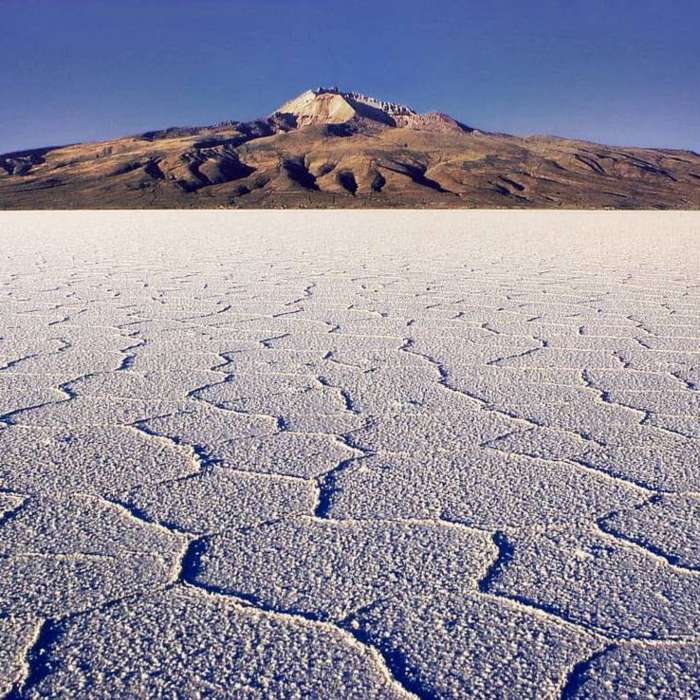
Royal Quinoa is not ordinary quinoa. It is a distinctive group of large-grain quinoa ecotypes originating in Bolivia's Southern Higlands, in the intersalar region surrounding the Uyuni and Coipasa salt flats.
A grain shaped by origin
Not all quinoa is Royal Quinoa. Royal Quinoa is a distinctive group of large-grain ecotypes of Chenopodium quinoa Willd., originating in a defined region of Bolivia's Southern Highlands. Its identity is inseparable from the intersalar territory surrounding the Uyuni and Coipasa salt flats, more than 3,500 metres above sea level.

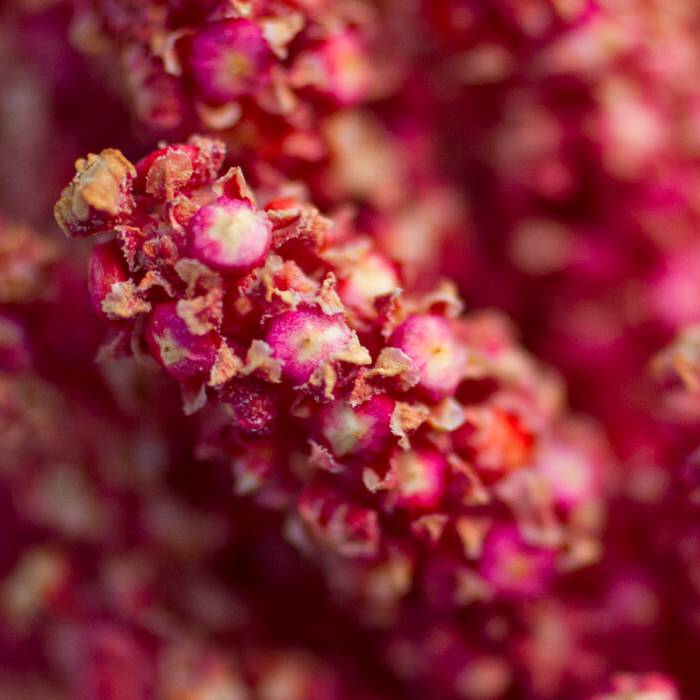
An exceptional ecosystem
It is not simply quinoa grown in Bolivia. It is quinoa whose origin, adaptation and agricultural heritage belong to Bolivia's Southern Highlands — sandy saline soils, an arid cold climate, scarce rainfall, frequent frost and intense solar radiation shaped its distinctive characteristics.
What makes Royal Quinoa different?
Royal Quinoa differs from conventional commercial quinoa through the combination of its protected origin, locally selected ecotypes, adaptation to extreme growing conditions and distinctive physical characteristics.
Distinctive large grains with a premium visual presence, a distinctive cooked texture and strong performance across culinary and food-manufacturing applications.
Approximately 10% greater average grain weight when compared with quinoa from other regions.
Higher test weight and apparent density, supporting robust handling, storage and processing.
A naturally high proportion of germ within each grain.
A diverse range of white, red and black ecotypes selected, conserved and cultivated locally.
Specific adaptations to salinity, drought, frost and intense solar radiation.
Nutrition beyond ordinary grains
Botanically, quinoa is a pseudocereal rather than a conventional cereal. Its nutritional value comes from the natural combination of protein, fibre, unsaturated fats, minerals and bioactive compounds found within the seed. Royal Quinoa naturally provides:
-
Complete plant protein
Plant-based protein containing all essential amino acids, including lysine, an amino acid often limited in cereals such as wheat, rice and maize.
-
Dietary fibre
Natural dietary fibre that supports balanced nutrition and everyday wellbeing.
-
Unsaturated fats
Predominantly unsaturated fats, contributing to a valuable nutritional profile.
-
Minerals & vitamins
Magnesium, phosphorus, iron, zinc, potassium, B-group vitamins and vitamin E.
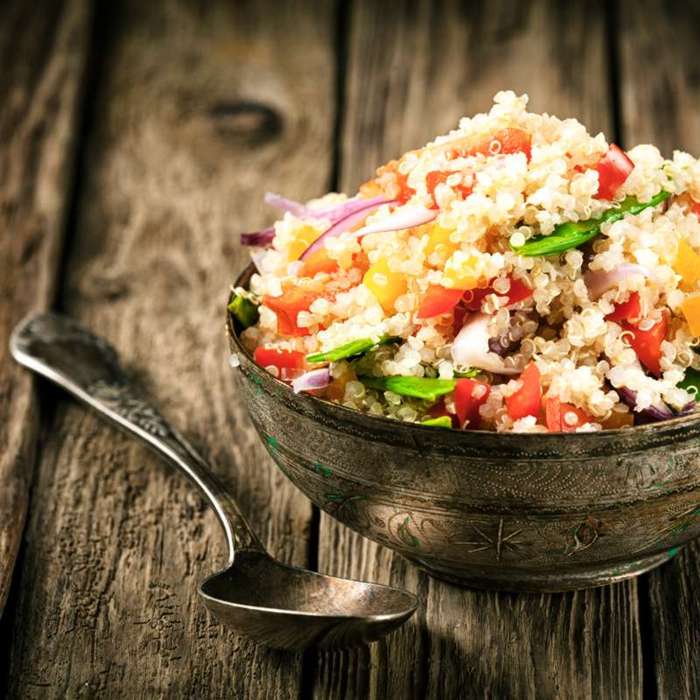
Naturally gluten-free. Entirely plant-based.
Royal Quinoa is naturally gluten-free because it is not botanically related to wheat, barley or rye, and it provides a complete essential amino acid profile with no animal-derived ingredients in the grain itself.
Naturally gluten-free
A versatile ingredient for gluten-free applications including grains, flour, pasta, snacks, cereals and prepared foods. Finished product claims are supported by cross-contact controls and compliance with destination-market regulations.

100% plant-based protein
Complete essential amino acids in one ingredient, particularly relevant compared with many conventional cereals whose protein can be limited in specific amino acids, especially lysine. Plant-based, versatile and protein-rich across many eating occasions.
A grain that belongs to a place
The singularity of Royal Quinoa does not come from fertile soil in the conventional sense. It emerged from an exceptionally demanding ecosystem where sandy, naturally saline soils, an arid cold climate, scarce rainfall, frequent frost and intense solar radiation shaped its distinctive characteristics.
Sandy and sandy-loam soils with volcanic-origin materials and naturally occurring salts.
Low and irregular rainfall over an arid, cold climate.
Natural salinity, alkalinity and frequent frost demanding resilience.
High solar and ultraviolet radiation with extreme day-to-night temperature changes.
Thousands of years of Andean knowledge
Quinoa has been cultivated in the Andes for thousands of years. In the Southern Highlands, this legacy continues through communities historically organised in ayllus and markas: knowledge of soil preparation, seed selection, planting, harvesting, organic fertilisation and climate management has been passed from one generation to the next. Salinas de Garci Mendoza was declared the Capital of Royal Quinoa in 1973, and export growth from the 1980s helped position it internationally as an emblematic product of Bolivia.
Why Bolivian origin matters
Bolivia is not only one of the countries historically connected with quinoa. It is the exclusive origin of Royal Quinoa of the Southern Highlands, bringing together four assets that are difficult to replicate.
The intersalar ecosystem shaped by the Uyuni and Coipasa salt flats.
Royal Quinoa ecotypes selected, conserved and cultivated locally.
Agricultural practices developed and transmitted by Highlands communities.
A Bolivian Denomination of Origin, protected since 2002 and recognised within the Andean Community.
Royal Quinoa, elevated by Andean Valley
An extraordinary origin deserves controls capable of preserving its value. Andean Valley connects Royal Quinoa with an internationally oriented system of responsible sourcing, processing, traceability and food safety, with third-party certification across organic production, gluten control, food safety, Non-GMO status and kosher compliance.